
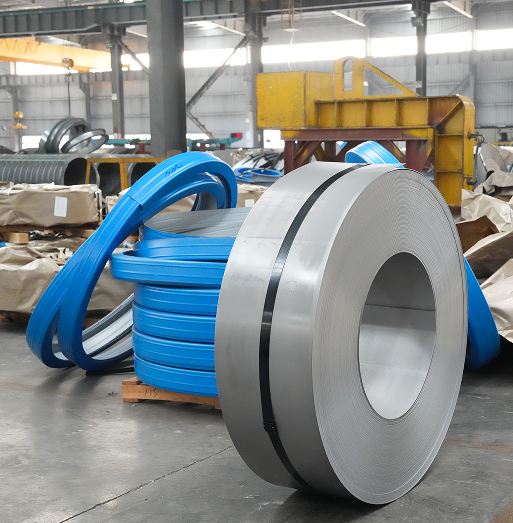
Industrial Project Case1
Industrial Project Case: Digitalised Upgrade of a Carbon Steel Reheating Furnace
Project Background
In late 2024, a medium‑sized carbon steel mill in Jiangsu Province, China, faced growing pressure to reduce energy consumption and improve production consistency. The plant’s existing pusher‑type reheating furnace, commissioned in 2012, suffered from uneven billet heating, high fuel costs, and frequent unplanned downtime. With annual output of 1.2 million tonnes of wire rod and rebar, the plant needed a reliable, fast‑payback solution to remain competitive.
Challenges Identified
- Energy inefficiency – The old furnace consumed 1.45 GJ per tonne, 18% above industry benchmark for similar products.
- Temperature non‑uniformity – Up to ±25°C variation across billets caused rolling defects and increased scrap rates.
- Manual control – Operators relied on experience, leading to over‑firing and accelerated refractory wear.
- Emissions – NOx levels occasionally exceeded local environmental limits (≤ 400 mg/Nm³).
Proposed Solution
The project team, combining the mill’s engineers and an industrial automation supplier, designed a digitalised combustion control upgrade with the following core elements:
- Zone‑wise PID temperature control with cross‑limiting logic for air/fuel ratio optimisation.
- Real‑time billet thermal model (installed on an edge computing device) to predict core temperature and adjust heating curves dynamically.
- High‑velocity self‑recuperative burners replacing old low‑velocity ones, improving heat recovery.
- Centralised SCADA (Supervisory Control and Data Acquisition) with historical data logging and remote alarming.
The total investment was ¥3.8 million (approx. USD 530,000), with a planned implementation period of 6 months (January – June 2025).
Implementation
The upgrade was carried out during two scheduled maintenance shutdowns (total 12 days) plus parallel work while the furnace was running. Key milestones:
- Jan 2025 – Dismantling of old burner system and insulation.
- Feb–Mar 2025 – Installation of new burners, thermocouples, and control cabinets.
- Apr 2025 – Software deployment and control loop tuning.
- May 2025 – Operator training (classroom + on‑site trials).
- Jun 2025 – Full performance acceptance test.
Results Achieved (as of July 2026)
| Parameter | Before | After | Improvement |
|---|---|---|---|
| Specific energy consumption (GJ/t) | 1.45 | 1.21 | −16.6% |
| Temperature uniformity (±°C) | 25 | 8 | −68% |
| Scrap rate (due to heating defects) | 1.1% | 0.65% | −41% |
| NOx emissions (mg/Nm³) | 390 | 310 | −20.5% |
| Annual energy cost saving | – | ¥2.1 million | Simple payback: 1.8 years |
In addition, furnace availability increased from 94% to 97%, and operators reduced manual interventions by 70%.
Conclusion
This industrial project case demonstrates that a mid‑size steel mill can achieve significant energy, quality, and environmental gains without replacing the entire furnace. The digitalised approach – combining smart burners, real‑time modelling, and basic automation – delivered a payback under two years. The mill is now replicating the solution on a second reheating furnace, with an expected start date in early 2027.
Key takeaway for similar industrial plants: Prioritise zone control and thermal modelling; the investment is moderate but the operational benefits are substantial.