Global Hot Rolled Coil (HRC) Market Outlook: Steady Growth Amid Infrastructure Boom and Green Transition
Industry: Steel & Metals / Manufacturing
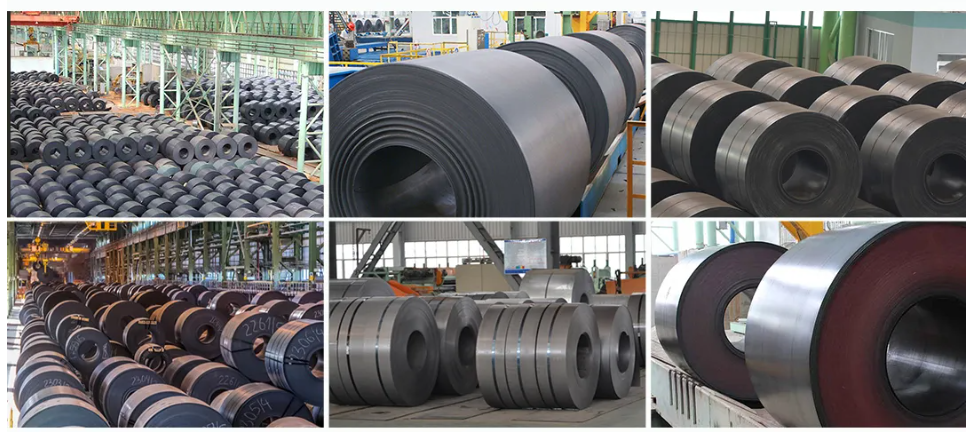
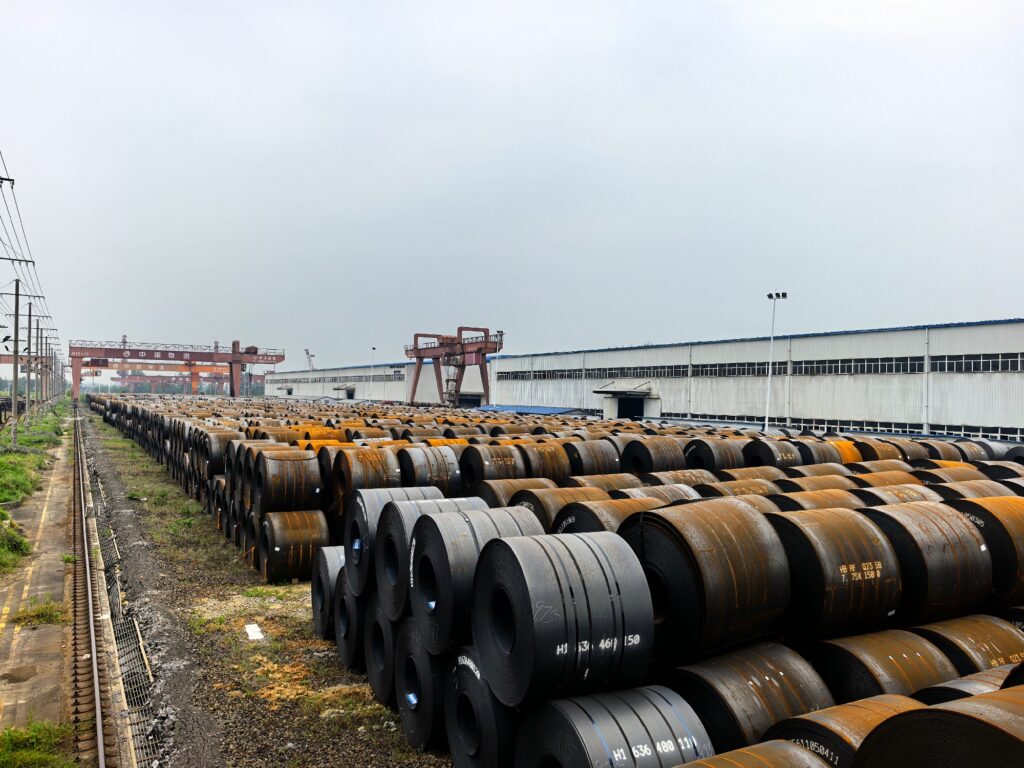
Hot Rolled Coil (HRC), a fundamental flat steel product processed at temperatures above 926°C (1,700°F), continues to serve as the backbone of global heavy industries. From structural frameworks in skyscrapers to chassis in automobiles and pipelines in energy sectors, HRC’s versatility, formability, and cost-effectiveness make it indispensable to modern manufacturing and construction supply chains.
Market Size and Growth Forecast
The global Hot Rolled Coil market is demonstrating robust expansion, driven by accelerating urbanization and industrial recovery. According to recent industry analyses, the market valuation is projected to grow significantly through the next decade:
- The global HRC steel market size was estimated at approximately USD 284–355 billion in 2024/2025 and is forecasted to reach USD 435–578 billion by 2030–2035, exhibiting a Compound Annual Growth Rate (CAGR) of roughly 5.0% to 5.8% .
- In volume terms, global crude steel production exceeded 1.88 billion metric tons recently, with hot-rolled coils accounting for an estimated 35% to 40% of total steel product output .
Key Market Drivers
- Infrastructure & Construction Dominance: The construction and infrastructure sector remains the largest end-user, consuming over 42% to 62% of global HRC output. Government initiatives like the U.S. Infrastructure Investment and Jobs Act, along with massive urban development projects in Asia-Pacific (particularly India and Southeast Asia), are primary demand catalysts .
- Automotive & Transportation: Accounting for nearly 18% to 28% of demand, the automotive sector relies heavily on HRC for chassis, wheels, and structural reinforcements. The shift toward Electric Vehicles (EVs) is further driving the need for advanced high-strength steel (AHSS) grades to ensure safety while reducing vehicle weight .
- Energy Sector Expansion: HRC is critical for oil & gas pipelines, as well as the rapidly growing renewable energy infrastructure, including wind turbine towers and solar mounting structures .
Regional Insights
- Asia-Pacific: The region dominates the global landscape, contributing over 60% to 68% of total production and consumption. China remains the largest producer and consumer, followed by India, which is registering some of the fastest demand growth rates globally .
- North America & Europe: These regions show steady demand driven by the modernization of aging infrastructure, reshoring of manufacturing, and stringent regulations pushing for low-carbon steel production .
Emerging Trends & Opportunities
- Green Steel & Decarbonization: Environmental compliance is reshaping the industry. A significant number of steel manufacturers (over 40%) are investing in energy-efficient technologies, Electric Arc Furnaces (EAF), and low-carbon manufacturing processes to meet global sustainability goals .
- Technological Advancements: The adoption of Thermomechanical Controlled Rolling (TMCR) and Industry 4.0 integrations (IoT, AI-driven quality control) is enhancing product precision, mechanical properties, and operational efficiency .
- Renewable Energy Demand: The global energy transition represents a “blue ocean” opportunity, with steel demand for electricity grids and renewable installations expected to grow substantially in the coming years .
Challenges
Despite the positive outlook, the market faces headwinds including:
- Raw Material Volatility: Fluctuations in the prices of iron ore and coking coal directly impact production costs and profit margins .
- Trade Barriers: Anti-dumping policies, tariffs, and geopolitical tensions can disrupt global supply chains and trade flows, particularly between major exporting and importing nations .
- Stringent Environmental Regulations: Compliance with carbon emission targets in Europe and North America requires heavy capital investment, posing a challenge for traditional integrated steel mills .
Conclusion
The global Hot Rolled Coil market is entering a transformative phase. While traditional drivers like construction and automotive manufacturing ensure steady volume growth, the future belongs to producers who can successfully pivot toward low-carbon production, high-strength lightweight grades, and digitalized manufacturing processes. For stakeholders, the intersection of infrastructure development and the green energy transition offers the most compelling growth avenues in the current decade.